Zeroing in on Success: The Master Key to Targeting Your Messaging
Published: Sun, 02/12/23
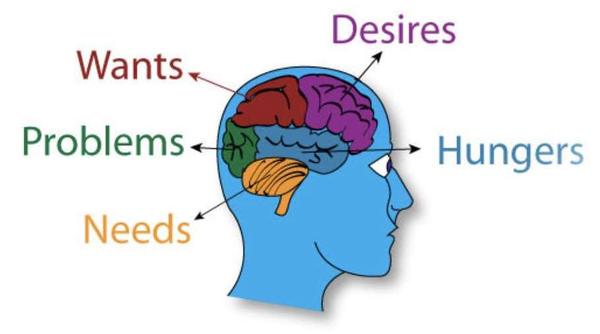
The Internal Radar Screen The Master Key to Targeting Your Messaging
As a copywriter, your ultimate goal is to get people to read and respond to your message. But in today's digital world, where people are constantly bombarded with information and advertisements, how can you make your message stand out?
The answer lies in understanding the concept of an individual's internal radar screen.
What is an Internal Radar Screen?
An internal radar screen is a mental filter that
individuals use to process and prioritize the information they receive. It's always on the lookout for what interests them and what they consider to be important. Every person has their own unique internal radar screen, shaped by their experiences, values, interests, and priorities.
Why is Understanding the Internal Radar Screen Important
for Copywriters?
When you understand an individual's internal radar screen, you can target your message to resonate with them and grab their attention. If your message speaks to their interests, values, and priorities, they are more likely to read and respond to it. On the other hand, if your message doesn't align with their internal radar screen, it's likely to be ignored or dismissed.
How to Target Your Message to the Internal Radar Screen
Know your audience: Before you start writing, it's important to understand who your target audience is and what their interests, values, and priorities are. Conduct market research to gather information about your audience and use that information to create buyer personas.
Use language that resonates: Use language that aligns with your audience's values and speaks to their interests. Avoid using jargon or technical terms that may not be familiar to them.
Address their pain points: People are more likely to respond to a message that addresses a problem they are facing or a pain point they are experiencing.
Identify the problems or pain points that your target audience is facing and highlight how your product or service can help solve them.
Use storytelling: People are naturally drawn to stories, and a well-crafted story can help capture their attention and keep them engaged. Use storytelling to make your message more relatable and memorable.
Keep it simple: People are more likely to respond to a message that is easy to understand. Avoid using complex language or convoluted sentence structures. Instead, keep your message simple and straightforward.
When you add everything up, knowing your audience, using language that resonates, addressing their pain points, using storytelling, and keeping it simple, you can
ensure that your message stands out and gets the response you want.
Doug D'Anna, Copywriter and Creator of The
Million-Dollar Copywriting Formula
Meet Doug D'Anna
As a seasoned direct response copywriter, Doug has created hundreds of profitable
direct mail packages, emails, and video sales letters for the world's largest specialized information
publishers—generating over $100 million in direct sales.